Orthodox Christmas 2026: Traditions, Dates, and Celebrations You Need to Know
Orthodox Christmas 2026: What Makes January 7th So Special?
If you’ve ever scratched your head wondering why Orthodox Christians ring in Christmas on January 7 instead of December 25, you’re in for a fascinating journey. This date difference boils down to calendars—the Julian calendar to be specific. While most of the Western world follows the Gregorian calendar, many Orthodox churches stick to the Julian, which currently runs 13 days behind. That’s why Orthodox Christmas lands on January 7 in 2026.
What makes this celebration so captivating isn’t just the date but the rich tapestry of traditions that come alive, from midnight liturgies to unique feasts.
Why It Matters in 2026
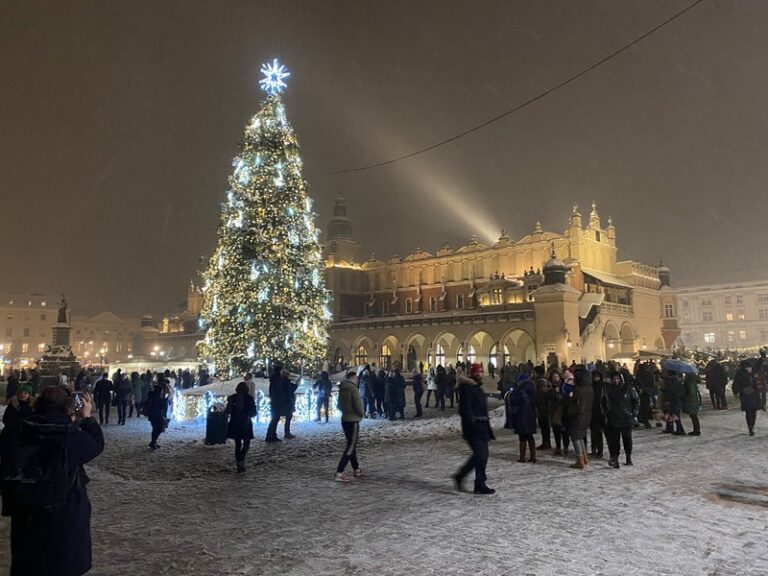
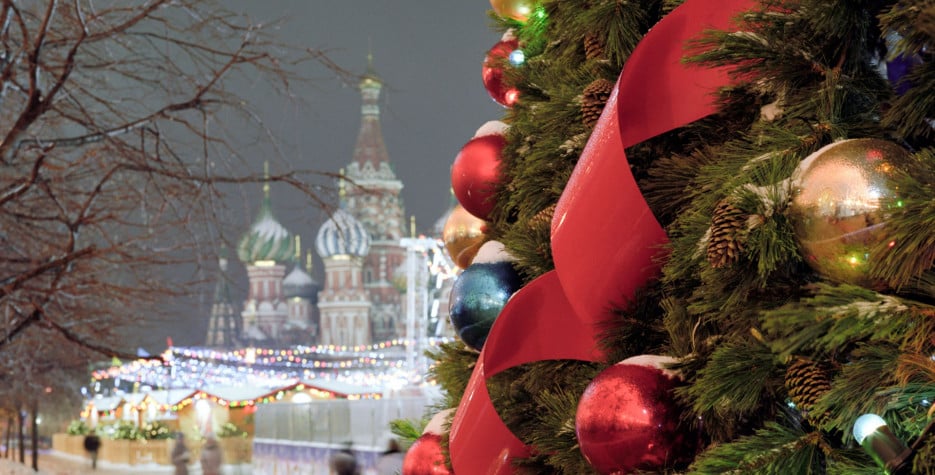
With global awareness of diverse customs growing, 2026 offers a fantastic opportunity to embrace the beauty of Orthodox Christmas. As more people travel or connect online, understanding these celebrations isn’t just polite—it’s a bridge to shared joy. Celebrations around the world—from Bethlehem’s ancient streets marking the Nativity to bustling Orthodox communities in New York and Moscow—each bring vibrant life to this festivity.
Learn more about the twelve days guiding these celebrations at The 12 Days of Christmas explained by the Greek Orthodox Archdiocese, a trusted resource that sheds light on the season’s spiritual depth.

Source: www.calendarr.com
5 Orthodox Christmas Traditions to Know in 2026
1. The Nativity Fast
Before the celebration even kicks off, many Orthodox Christians observe a 40-day fast leading up to Christmas. It’s a time for spiritual reflection and self-discipline, balancing the festive indulgence to come. Best for those seeking deeper meaning in the season.
2. Midnight Divine Liturgy
Gathering around churches at midnight is a hallmark event. The air fills with chants, candles, and hymns praising the nativity. Best for experiencing the spiritual heart of the holiday.
3. Festive Feasts with Kutia
After the fast, tables overflow. One classic dish is Kutia, a grain and honey blend symbolizing life and unity. Best for food lovers craving symbolic dishes.

4. Carols and Songs
Communities unite with traditional carols, often sung in old Slavic or Greek, carrying tales of the nativity. Best for those who enjoy cultural expressions of faith.

Source: nationaltoday.com
5. Blessing of the Homes
After Christmas Day, priests often visit homes to bless them with holy water and prayers—a practice believed to bring protection and peace. Best for families inviting sacred harmony indoors.
Expert Tip
If you’re planning to join or observe Orthodox Christmas celebrations in 2026, keep in mind the difference in calendar is more than a date—it’s a cultural compass. Respect local customs. For example, participating in fasting or attending liturgical services can offer genuine connection rather than just a photo op.
Stay updated on local events through official channels. Sites like NBC New York’s guide to Orthodox Christmas provide helpful insights into celebrations near you.
Source: www.officeholidays.com
FAQs About Orthodox Christmas 2026
When is Orthodox Christmas in 2026?
It falls on January 7, 2026, following the Julian calendar’s date for December 25.
Do all Orthodox Christians celebrate on the same day?
Most follow January 7 but some, like certain Orthodox churches in Finland, celebrate on December 25 with the Gregorian calendar.
Is Orthodox Christmas a public holiday?
In countries with large Orthodox populations, such as Russia, Ukraine, and Ethiopia, it typically is a public holiday.
How is Orthodox Christmas different from Western Christmas?
Besides the date, Orthodox Christmas often involves strict fasting before the day and distinctive liturgical traditions.
Can I attend Orthodox Christmas services if I’m not Orthodox?
Absolutely! Many churches welcome visitors to witness or participate respectfully in their celebrations.
Each year, Orthodox Christmas lights up the world a little differently, but the spirit remains true: honoring the birth of Christ in ways deeply meaningful to millions. Ready to experience the wonder in 2026? Mark January 7 on your calendar, and consider stepping into this ancient tradition yourself—it’s a celebration unlike any other.

Adam Millar is a globally recognized financial analyst, wealth advisor, and bestselling author dedicated to demystifying the modern economy. With over 15 years of experience bridging the gap between traditional Wall Street finance and Silicon Valley innovation, he has advised everyone from early-stage startup founders to Fortune 500 executives on capital allocation and strategic growth.