Closed for Christmas 2026: What You Need to Know About Holiday Closures
Closed for Christmas 2026: Avoid Last-Minute Surprises This Holiday Season
You know that feeling when you swing by a store or call an office at the worst possible time—right on Christmas Day? Yeah, been there. Christmas is a time for joy and family, but come December 25, many places slam their doors shut. So, what exactly is closed for Christmas in 2026, and how can you plan smart to dodge the hassle? Let’s break it down.
Why It Matters in 2026
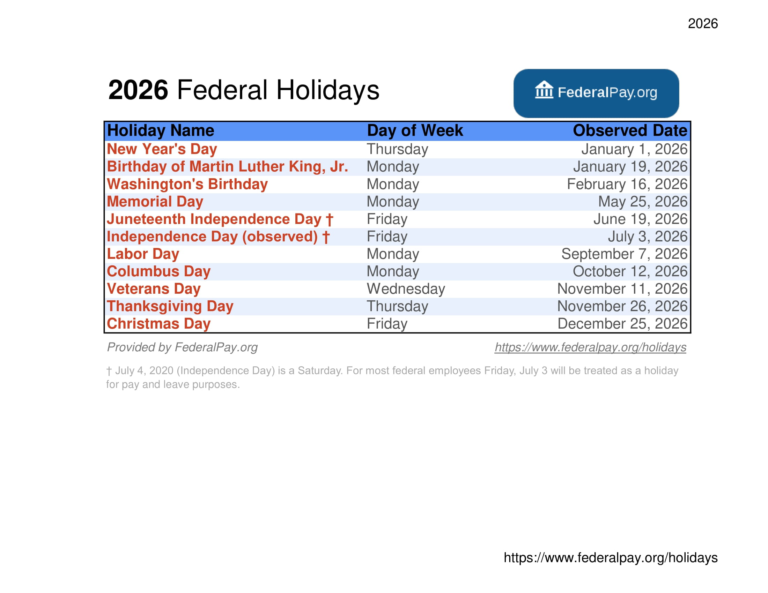
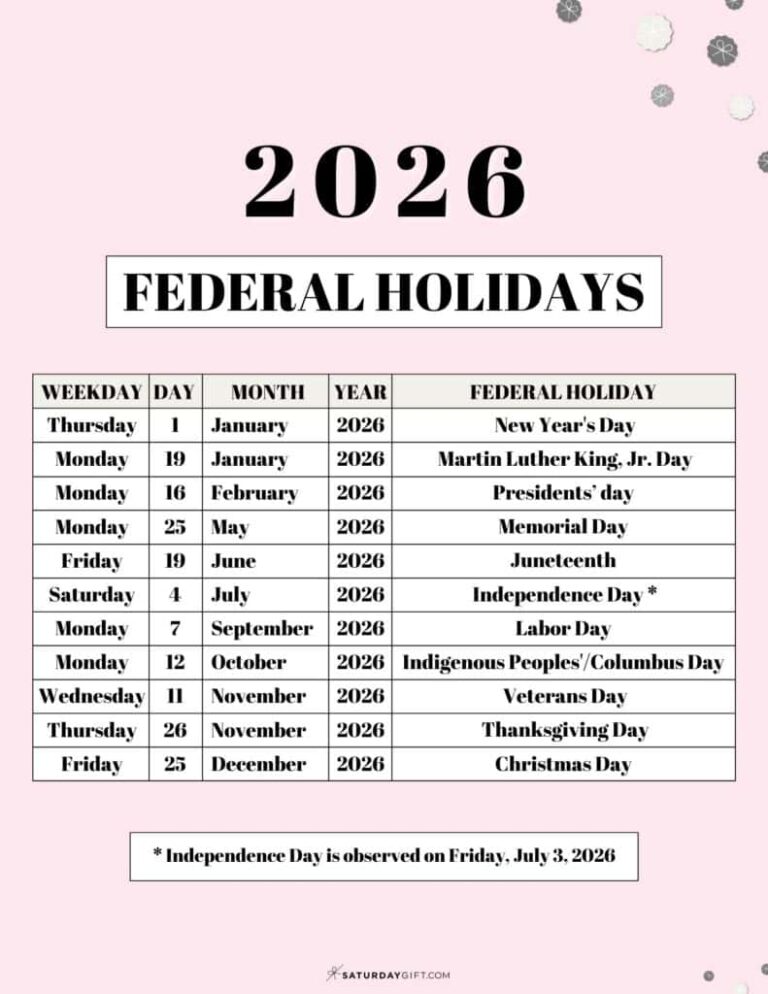
Christmas 2026 falls on a Friday, which means many workers are hitting that sweet spot for a long weekend. But that also means government agencies, banks, and countless businesses will close to honor the federal holiday. According to the Office of Personnel Management’s federal holiday calendar, Christmas Day is officially recognized, so expect closures across most federal offices. This impacts not just government functions but ripples throughout the economy.
Which Places Are Closed for Christmas 2026?
Federal and State Government Offices
Federal agencies, including post offices, will be closed on Christmas Day. Think of it as the government pressing pause for the festivities. Check the federal court holiday calendar if you have any legal business to manage.
Banks and Financial Institutions
Banks usually close on Christmas Day, some even shut the day before or after. This closure means ATMs may still work, but transactions like wire transfers and check clearances won’t process until the next business day.
Retail Stores and Shopping Centers
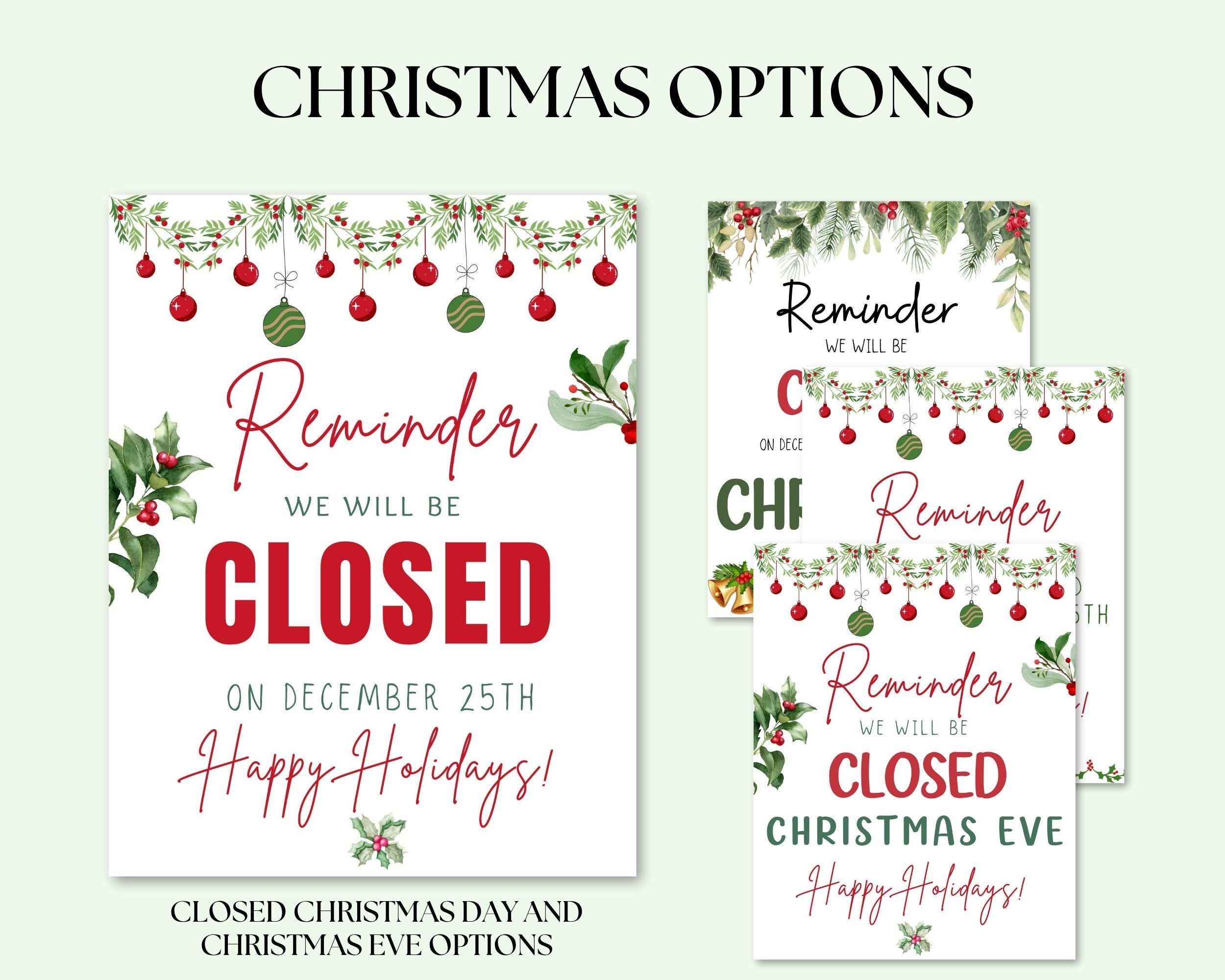
Major retailers often close on Christmas Day — some even shut early on Christmas Eve. However, some convenience stores and big-box markets might stay open. Your best bet? Call ahead or check their holiday hours online.
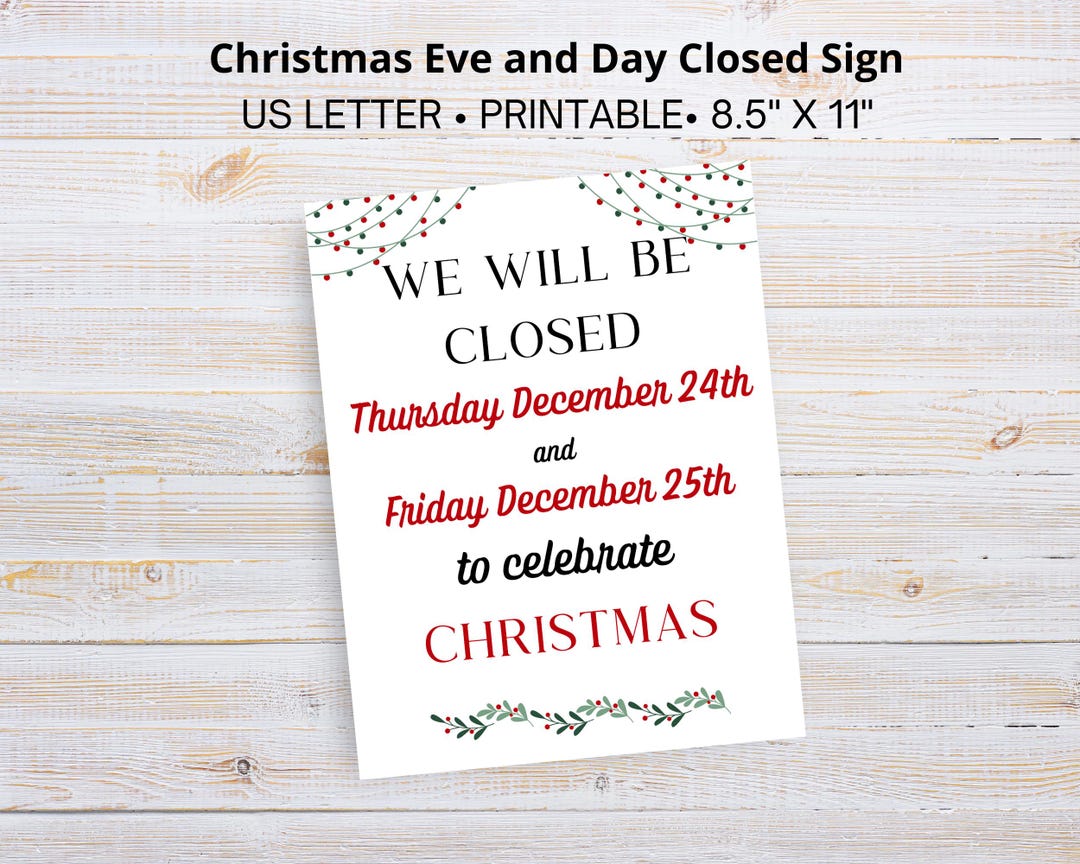
Source: www.etsy.com
Public Transportation
Public transit agencies typically run on limited or holiday schedules—plan for reduced frequency or no service altogether. Visit official transit websites before venturing out.
Entertainment Venues and Museums
Most museums, galleries, and entertainment venues close on Christmas Day to give employees time off. But the festive atmosphere lives on at certain holiday-specific events, especially those outdoors or run by private organizations.
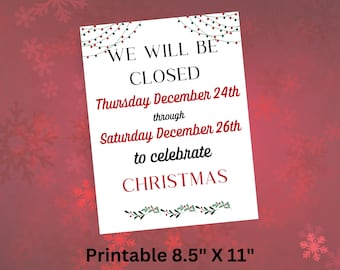
Source: www.etsy.com
Expert Tip: Plan Your Holiday Errands Ahead
Don’t wait till the last minute to do banking or mail holiday packages. The Federal Student Aid announcement on holiday processing highlights how many services pause around Christmas, so be proactive to keep your plans smooth. Think of it like prepping dough before baking — the foundation prevents disasters later.
Source: breckproducts.com
Frequently Asked Questions
What are the official federal holidays for Christmas 2026?
Christmas Day, December 25, 2026, is an official federal holiday. Observance means federal offices, postal services, and many banks will be closed.
Do all retail stores close on Christmas Day?
Not all. Many large retailers close, but some convenience stores and pharmacies remain open for essential needs. Hours vary, so check the store’s website or call ahead.
Will public transportation run on Christmas Day?
Most operate on a limited or holiday schedule, with fewer routes and less frequent service. Consult your local transit authority’s website for exact details.
How do holiday closures affect mailing gifts?
Postal services won’t operate on Christmas, so mailing right before or after is common to avoid delays. Early shipping is highly recommended.
Where can I find the most current holiday hours for 2026?
Bookmark official sites like National Archives Federal Holidays page and your local government or business websites for updates as the date approaches.
So there you have it — the essential rundown on what’s closed for Christmas 2026. Clear your calendar, double-check those hours, and savor the magic without the last-minute scramble. Remember, the best holiday memories come from being present, not stressed. Cheers to a smooth and joyous Christmas season!

Adam Millar is a globally recognized financial analyst, wealth advisor, and bestselling author dedicated to demystifying the modern economy. With over 15 years of experience bridging the gap between traditional Wall Street finance and Silicon Valley innovation, he has advised everyone from early-stage startup founders to Fortune 500 executives on capital allocation and strategic growth.