Executive Order Christmas Eve 2026: What Federal Workers Need to Know
Executive Order Christmas Eve 2026: Federal Offices Closing and What It Means
Ever wondered if Christmas Eve 2026 will be a day off for federal employees? You’re not alone. In fact, federal government workers across the country are already buzzing about the latest official announcement. The White House confirmed an executive order that designates Christmas Eve, December 24, 2026, and December 26, 2026, as official non-working days for most executive departments and agencies.
Why It Matters in 2026
Here’s the deal: This isn’t just a random holiday gift. Closing federal offices on Christmas Eve and the 26th means millions of employees get meaningful time with their families during the holidays. It also ensures smoother government operations by acknowledging the slower pace of end-of-year activities. Plus, businesses and citizens can plan around these dates knowing government services pause.
Key Items in the Executive Order for Christmas Eve 2026
Official Closure Dates
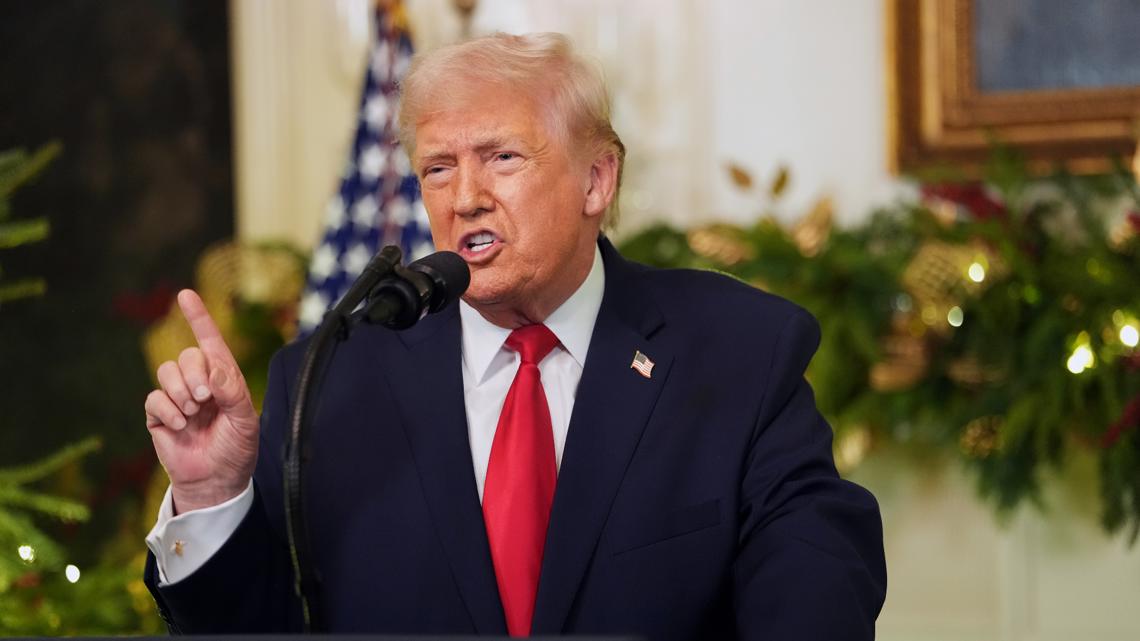
The executive order explicitly states that Wednesday, December 24, 2026, and Friday, December 26, 2026, are designated holidays for federal executive departments and agencies. This aligns with the tradition of granting federal workers time off adjacent to Christmas Day.
Source: www.abc10.com
Who’s Included?
Nearly all federal departments and agencies abide by this order, including the Department of Labor, Homeland Security, and the Office of Personnel Management. Essential services with continuous operations, like law enforcement and emergency response, remain active but will have adjusted schedules.
Pay and Leave Impact
Employees designated off on Christmas Eve and December 26 will receive holiday pay in accordance with federal regulations. Workers called in on these days will typically be eligible for overtime or compensatory leave as per existing labor agreements.
Expert Tip: How to Maximize Your Federal Holiday Time
Plan your 2026 holiday season early. Mark these executive-ordered closures on your calendar and coordinate with your team to manage workloads before the break. This foresight avoids last-minute chaos and ensures you actually enjoy the extra downtime rather than scrambling to catch up later.

Source: www.foxnews.com
For official details and updates, always check the White House presidential actions page. They post the formal executive orders and related memos that govern federal holiday scheduling.
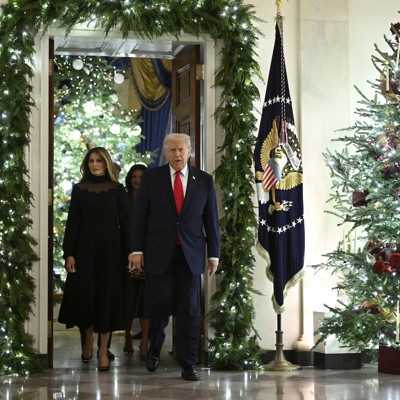
Source: www.govexec.com
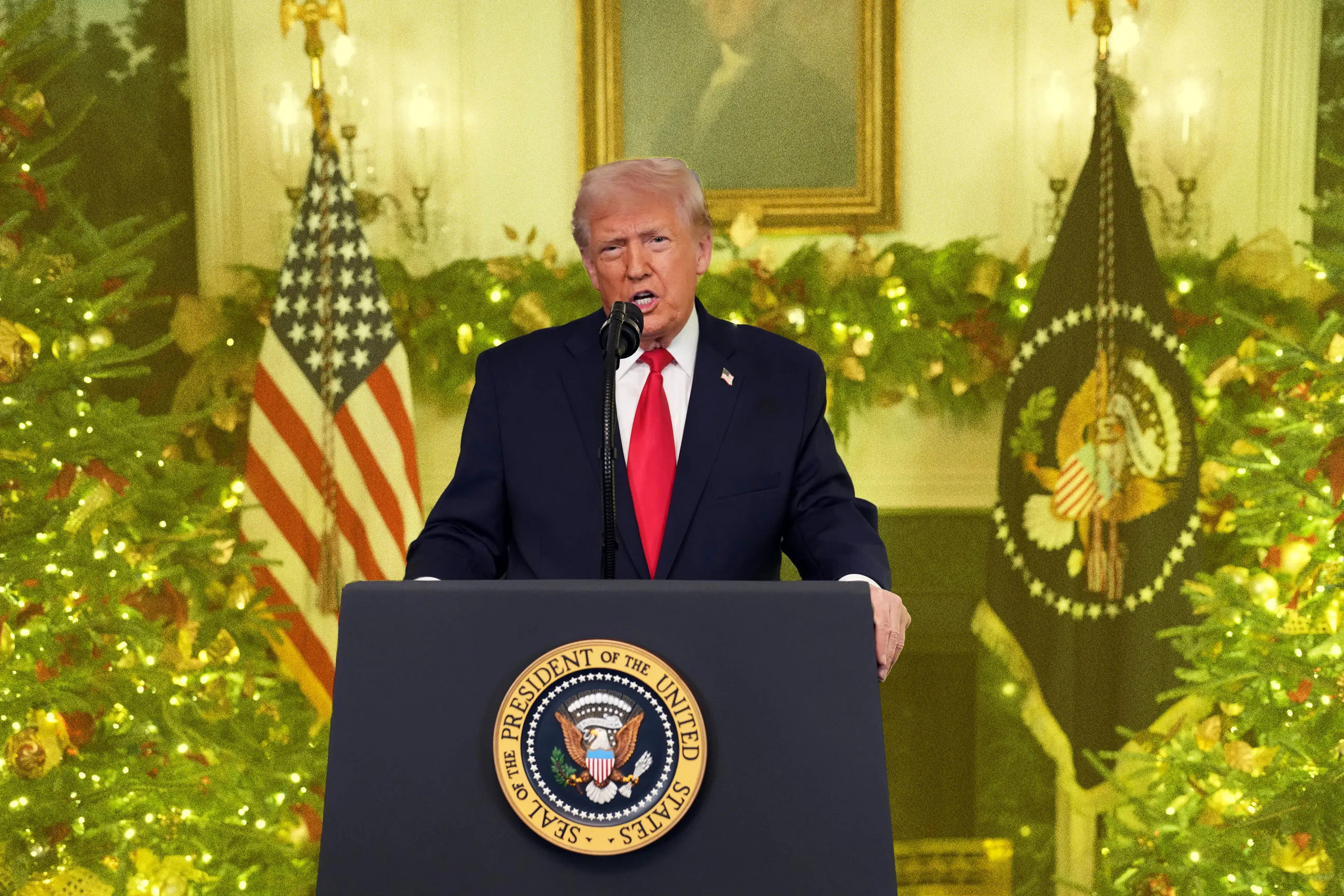
Source: money.com
Frequently Asked Questions About the Executive Order Christmas Eve 2026
Will all federal workers have Christmas Eve off in 2026?
Most will, but exceptions apply for critical roles needing continuous coverage like emergency responders.
Is December 26, 2026, also a federal holiday?
Yes, the executive order includes December 26, 2026, as a holiday alongside Christmas Eve.
Do these closures affect federal contractors?
Contractors follow their specific agreements; however, many observe federal holiday schedules.
How should federal workers plan their vacation days around this order?
It’s a smart move to coordinate leave around these closures to extend your holiday break efficiently.
Where can I find the official announcement for 2026 holiday closings?
The official executive order and related documents are published on the White House website’s presidential actions section.
So, mark those calendars and enjoy a well-deserved midweek holiday in 2026. The government’s recognizing the value of downtime, and you should too!

Adam Millar is a globally recognized financial analyst, wealth advisor, and bestselling author dedicated to demystifying the modern economy. With over 15 years of experience bridging the gap between traditional Wall Street finance and Silicon Valley innovation, he has advised everyone from early-stage startup founders to Fortune 500 executives on capital allocation and strategic growth.